


Starting December 2, 2026, artificial intelligence will be banned from blocking and dismissing platform workers without human intervention. Here is how the presumption of employment works and what it means for Bolt, Uber, and Hopin drivers, as well as Wolt, Bolt Food, Foodora, and Bistro.sk couriers.
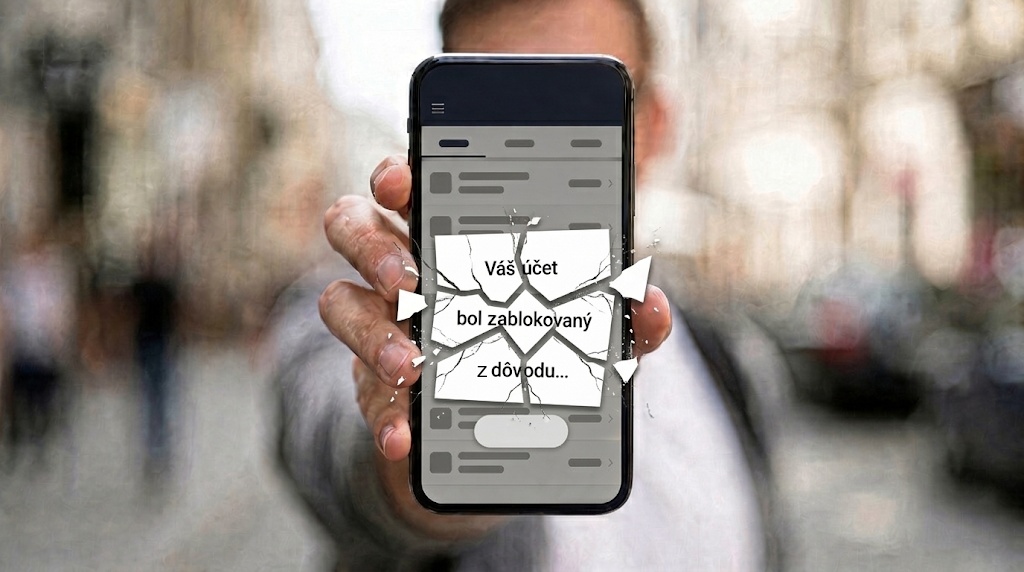
The new Platform Work Law, coming into force on December 2, 2026, fundamentally alters the rules of the game in Slovakia's digital economy. Regardless of where a company is registered—whether in Slovakia or abroad—all delivery services and ride-hailing aggregators must comply with state oversight.
Main Changes: What the New Law Brings
1. Ban on Automated Dismissals and Account Suspensions
From December 2, 2026, no platform has the right to block an account or terminate a contract with a worker based solely on an algorithmic or AI decision.
- Human Oversight: A human manager must be responsible for every key decision.
- Written Justification: Every restriction or account suspension must be officially justified in writing.
- Financial Liability: Platforms face fines of up to €50,000 for violating this rule.
2. Presumption of Employment Relationship
Until now, most couriers and drivers have been forced to work exclusively as self-employed sole traders (SZČO) or through intermediaries (fleets). Now, the wording in the contract loses its decisive weight—actual working conditions are what matter.
If a labour inspectorate or court identifies elements of subordination and control, the legal presumption of an employment relationship is automatically triggered.
- Shift in Burden of Proof: The courier or driver no longer has to prove anything. The platform itself must now present arguments to the court proving that the worker is indeed an independent contractor.
- Social Benefits: If the platform fails to prove this, it is required to provide the worker with a full employment contract including all benefits: paid leave, sick leave (PN), meal vouchers (stravné), and bonuses for night shifts and weekend work.
3. Algorithmic Transparency and Data Protection
Platforms are required to fully disclose the principles behind order allocation, performance evaluations, and earnings calculations.
In addition, an absolute ban is introduced on:
- Tracking workers' geolocation during off-duty hours.
- Collecting sensitive personal data (private correspondence, political views, psychological state).
Opinion of the OZ PDP Union: Rights Protection and Real-World Practice
The Chairman of the Sectoral Trade Union of Digital Platform Workers (OZ PDP), Maksym Yaroshchuk, notes that the law provides long-awaited protective tools, but requires a thoughtful and balanced approach:
"The law gives us the opportunity to unite and negotiate over unfair rates and working conditions both with platforms and intermediate agencies (fleets). We fully support the right of every worker to decide for themselves whether they want to work under an employment contract or remain self-employed (SZČO). The main goal is to eliminate abuse and algorithmic arbitrariness."
Specifics of Taxi and Courier Work:
- Schedule Flexibility: On platforms like Bolt and Uber, drivers choose their own hours, log into the app whenever they want, and often combine orders across multiple platforms simultaneously.
- Acceptance Rate Thresholds: On Bolt, the order acceptance rate must not drop below 60%, and the driver rating below 75%. On Uber, conditions are even more flexible.
However, where platforms strictly fix rates, fine workers for declining orders, or mandate uniforms under threat of a ban, the work acquires all features of standard employment and must be contracted accordingly.
Fines for Platforms: State Inspectorates Step Up Oversight
Enforcement of the law lies with the National Labour Inspectorate (NIP) and the Office for Personal Data Protection of the SR. Violators face substantial financial penalties:
Violation of Automation Rules: Concealing algorithms, refusing to explain pay calculations, or blocking an account without human review.
Illegal Employment: Disguising an actual employment relationship as bogus self-employment (SZČO) or work through "grey" fleets.
All digital platforms are required to officially register with the National Labour Inspectorate by December 31, 2026.
Don't Face Algorithms Alone!
The new law gives you rights, but protecting them in practice requires a strong professional organization.
The OZ PDP trade union guarantees:
- Full Confidentiality: Platforms and fleets will never know about your membership without your explicit consent.
- Free Legal Support: Assistance with illegal account bans, pay disputes, and contract reclassifications.
Join OZ PDP today and protect your job from algorithmic arbitrariness!
#Slovakia #WorkInSlovakia #CouriersSlovakia #TaxiSlovakia #BoltSlovakia #UberSlovakia #WoltSlovakia #BistroSk #FoodoraSk #OZPDP #SlovakLaws #WorkersRights #SZČO #Slovakia2026 #TradeUnionSlovakia #SlovakiaNews